Women and Children: Building a Safer Community Starts with Their Protection and Empowerment.
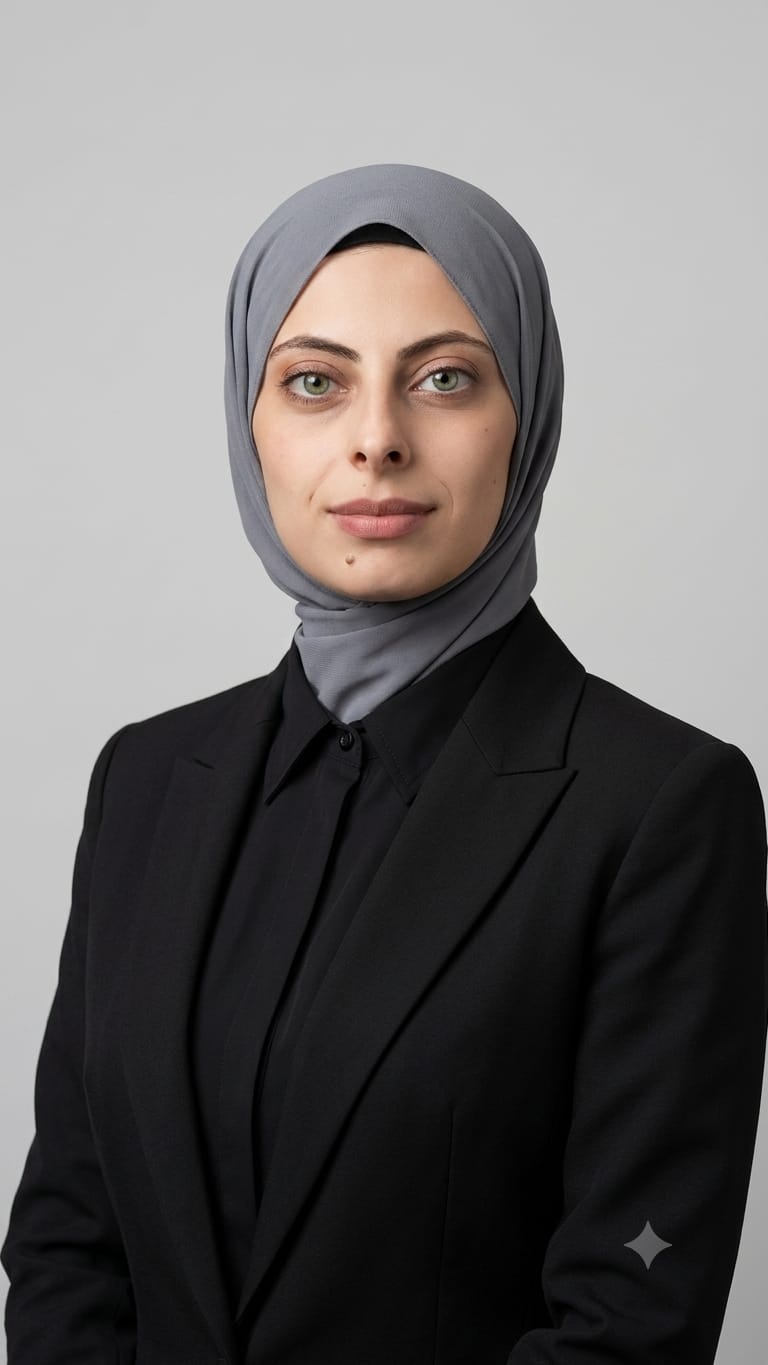
Nesma Ahmed Shaheen
Psychologist and researcher in the field of psychology, and a senior administrative member of the Palestinian Smart Youth Parliament.
In communities undergoing exceptional circumstances, issues concerning women and children become more than just social files; they are true indicators of a community's ability to protect its members, enhance its cohesion, and build a more stable future. Women are not only an essential part of the family and society, and children are not merely individuals in need of care, but both are fundamental partners in building the community and its future.
From a psychological and social perspective, caring for women and children begins with understanding their needs comprehensively. A child living in a troubled environment or facing harsh conditions may not always be able to express their feelings in words, and their needs may manifest through their behavior, academic decline, sleep disturbances, withdrawal, or excessive attachment to those around them. Therefore, protecting a child means not only providing basic needs but also ensuring a safe environment that allows them to express, play, learn, and build healthy relationships.
As for women, supporting them should not be limited to treating them as recipients of help; it must start from recognizing their ability to participate, make decisions, and contribute to society. A woman who receives psychological and social support, and is given opportunities for learning, participation, and development, becomes more capable of supporting her family and contributing to her community.
In this context, mental health emerges as one of the aspects that cannot be separated from issues concerning women and children. Accumulated stress, fear, loss, instability, and other difficult experiences can leave psychological effects that vary from person to person. Here lies the importance of early psychological awareness, identifying needs, providing safe spaces for expression, alongside ensuring access to specialists and specialized services when needed.
Moreover, empowering women and children does not mean making decisions on their behalf, but rather providing them with the space to express their needs and participate in issues that affect them. Listening to the child and respecting their opinion according to their age and stage of development, as well as listening to women and understanding the challenges they face, represents a fundamental step towards building more realistic and humane interventions.
From this perspective, I see that youth institutions, including the Palestinian Smart Youth Parliament, can play an important role in supporting issues concerning women and children by moving from merely raising issues to building initiatives based on needs, listening to the community, collaborating with institutions and specialists, raising awareness, and amplifying the voices of groups that may not always find sufficient space to express their needs.
Youth can also be part of the solution by launching awareness initiatives, organizing activities directed at children, supporting mothers, conducting surveys on the needs of women and children, and preparing papers and recommendations based on community realities, ensuring that any interventions related to protection or mental health are within safe professional frameworks and in collaboration with relevant authorities.
Building a better future for women and children does not only start from laws and policies, despite their importance, but also from societal culture: from families that listen to their children, schools that protect them, communities that respect women, institutions that give youth the opportunity to participate, and individuals who recognize that protection and support are shared responsibilities.
I believe that caring for women and children is not a separate issue from development, but a direct investment in the future of society. When a child feels safe, and a woman finds space for participation and empowerment, the community becomes more capable of recovery, resilience, and building a more balanced future.
From our position as youth, our responsibility is not limited to talking about the reality of women and children, but consists of listening to them, understanding their needs, and contributing to transforming these needs into initiatives, recommendations, and actionable solutions.
A community that protects its children, supports its women, and listens to their voices is a community that lays a stronger foundation for its future.