Youth: The Fuel of the Future... The Spark of Change
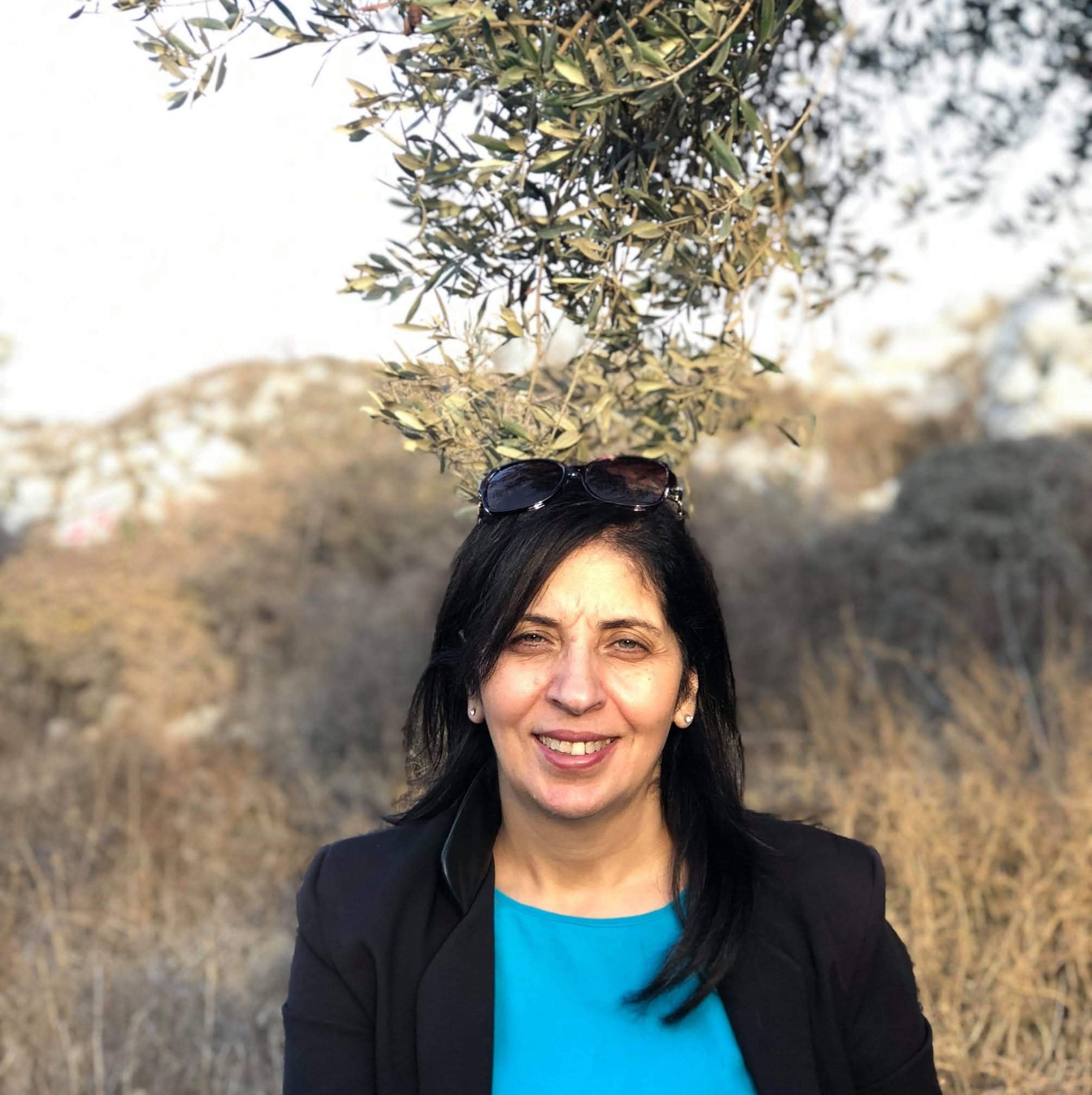
Written by Nariman Awad
The reality of Palestinian youth cannot be discussed in isolation from the Israeli occupation. Youth are at the forefront of groups subjected to killing, arrest, and assault, as they face restrictions on movement, military checkpoints, and limitations on freedom of expression, assembly, and cultural and sports activities.
These practices deprive thousands of youth of their right to education and work, increasing unemployment rates, diminishing educational and training opportunities, and prompting emigration, in addition to the frustration resulting from political and economic deadlock.
These violations do not target an individual alone but strike at the right of an entire generation to live a normal life and participate in building its future.
Despite all these obstacles, Palestinian youth possess energy, will, competence, and resilience; they represent the fuel of the future and one of the most important keys to building the Palestinian state, enhancing its democratic system, and renewing its institutions.
Therefore, clear national policies must be established to empower youth economically, by supporting small and entrepreneurial projects, encouraging investment, developing vocational and technical education, linking universities to labor market needs, and providing genuine training programs that open job opportunities for graduates.
The role of the private sector and national institutions must also be strengthened to create new job opportunities and invest in the digital economy, technology, and creative industries, so that youth transition from job seekers to partners in wealth production and economic building.
Moreover, avenues must be opened for youth to actively participate in decision-making.
Thus, excluding them from decision-making positions means excluding a fundamental part of society from participating in shaping its future.
Herein lies the importance of renewing political elites and opening the door for young leaders who possess knowledge, competence, and integrity, thereby solidifying the principle of power rotation, preventing political stagnation, and restoring trust between citizens and institutions.
The upcoming legislative and presidential elections represent an important opportunity for Palestinian youth to participate in rebuilding democratic life and renewing political legitimacy.
Therefore, youth should be viewed as partners in formulating political, economic, and social programs, and as candidates capable of reaching legislative councils, local bodies, and positions of responsibility.
Youth participation in elections begins with their right to run and vote, but it does not end at the ballot box. They must be part of the political process before and after elections, and have the ability to influence public policies and monitor the implementation of programs and electoral promises. The importance of enhancing the role of youth in monitoring the performance of the executive authority and public institutions, respecting their right to access information, express their opinions, and participate in evaluating public policies and programs is paramount.
Monitoring is not antagonism towards authority; rather, it is one of the essential means of protecting public funds, enhancing transparency, combating corruption, and raising the efficiency of institutions.
Youth are also capable of being a real bridge between the various components of Palestinian society. At a time when political divisions deepen, there is a pressing need for a new generation that believes that political differences should not lead to national division.
Enhancing national unity requires involving youth in national dialogue, listening to their visions, and allowing them to work together away from narrow alignments.
Palestinian youth, who face occupation, checkpoints, settlement, unemployment, and restrictions on movement, need a comprehensive national vision that places the higher Palestinian interest above factional calculations and establishes a true political partnership. Youth are not fuel to be consumed in crises, nor voices to be sought in ballot boxes; they are partners in decision-making, bearers of the banner of the future, and the spark of change that can restore vitality and renewal to Palestinian political life.
For this reason, we need a new social and political contract that grants youth a real role in decision-making, ensures their participation in elections, opens doors to employment, protects their rights to expression, movement, and creativity, enhances their role in monitoring and accountability, and puts an end to their political, economic, and social marginalization.
It is also essential to invest in the cultural, artistic, and creative energies of youth, providing spaces that allow them to express themselves, establishing cultural and artistic centers, supporting youth initiatives, and encouraging literature, music, theater, cinema, visual arts, and sports.
Protecting Palestinian youth from killing, arrest, and assault, and safeguarding their freedom of expression, movement, and political, cultural, and sports participation must be a national and human rights priority, and the international community must bear its responsibilities in providing protection for the Palestinian people.