
The Story of a Child Who Never Made It to His Classroom.
أخبار ومستجدات أخرى
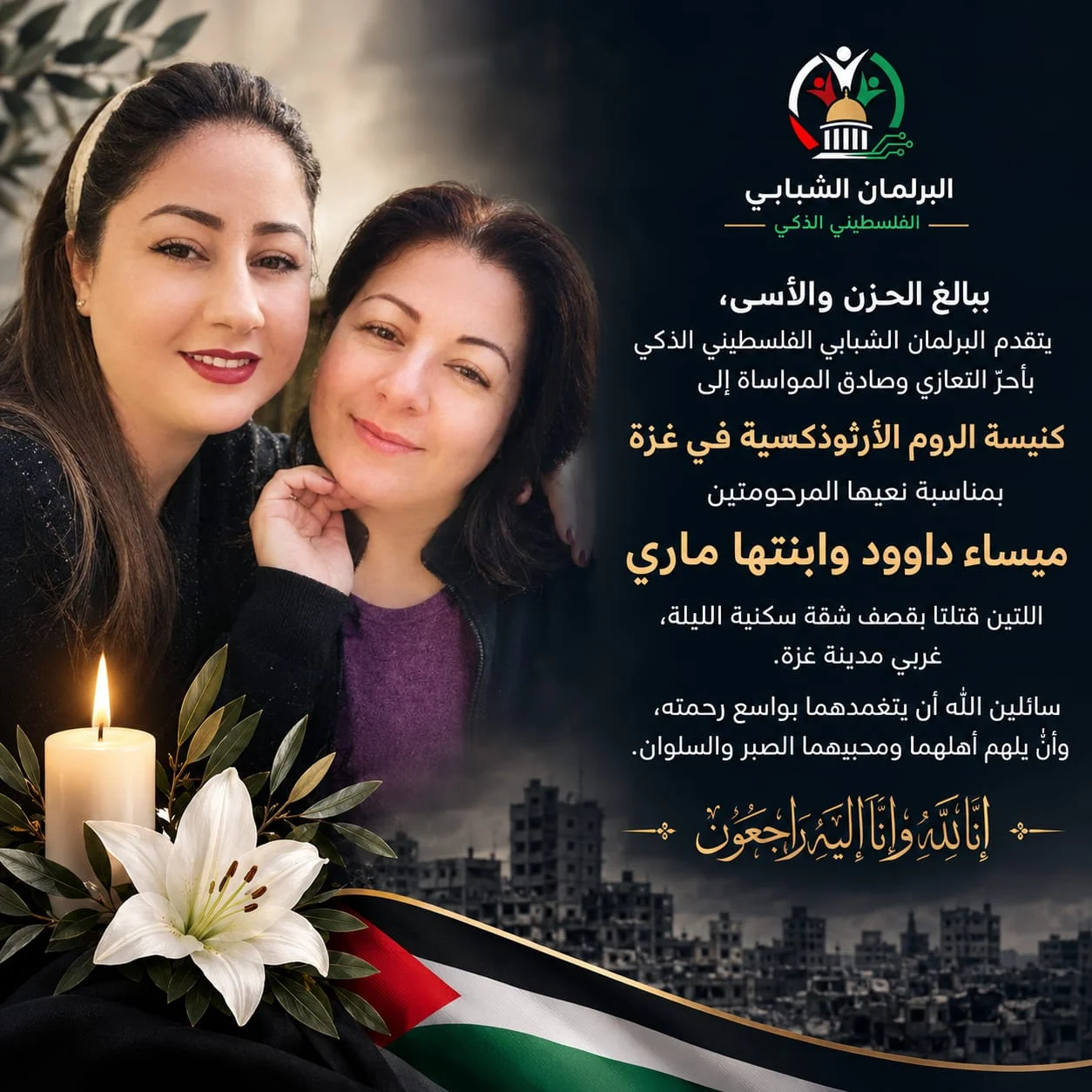
Statement of Condolence and Sympathy
With deep sadness and sorrow, the Palestinian Smart Youth Parliament | PYSP extends its heartfelt condolences and sincere sympathy to the Orthodox Church in Gaza, and to the family and loved ones of the late Maysa Dawood and her daughter Mari, who lost their lives due to the bombing of a residential apartment in western Gaza City. We ask God to envelop them in His vast mercy, and to inspire their family and loved ones with patience and solace, and to protect our people in Gaza and grant them peace and security. Sincere condolences and sympathy. 🕊️ Palestinian Smart Youth Parliament | PYSP 🇵🇸 Palestine
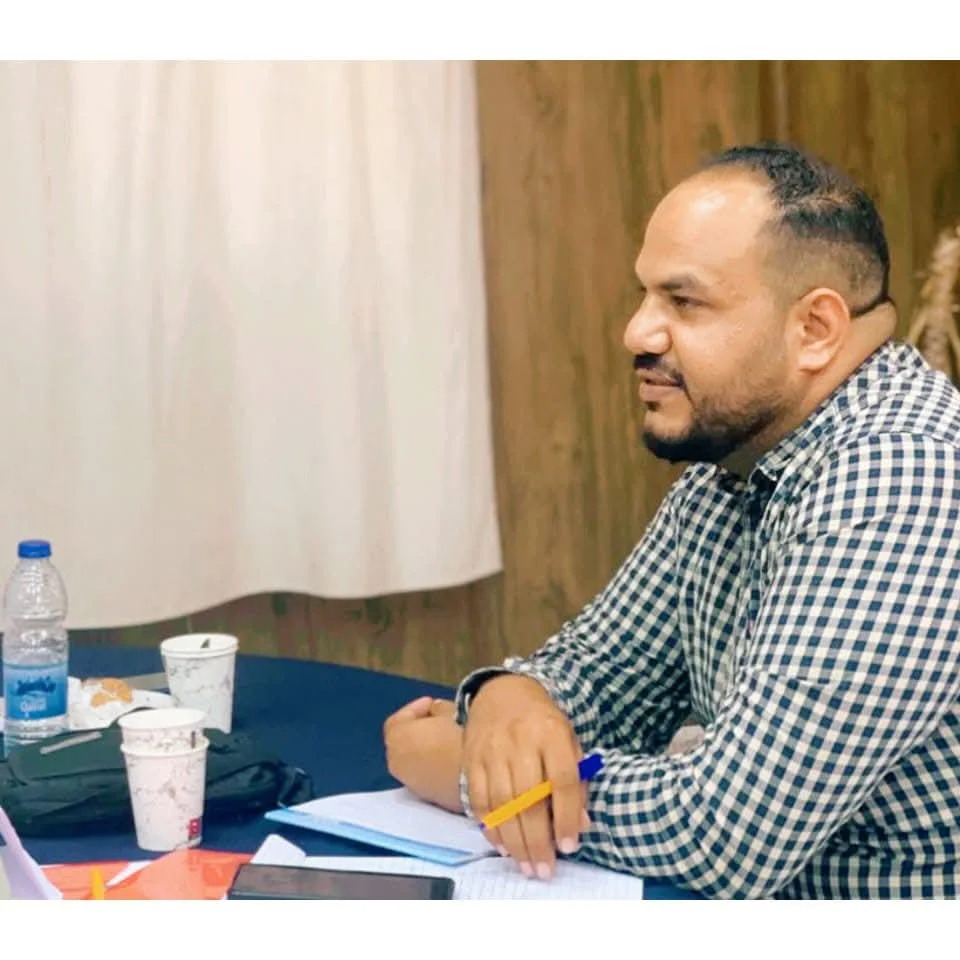
As We Approach October 7: Between Hamas's Transformation and Israel's Failure to Understand .. Dr. Abdul Karim Abu Mustafa
As we approach October 7, and after years of the event that reshaped the Palestinian, Israeli, and regional landscape, questions resurface: What did the parties know before that day? How did they interpret what was happening? And where did the assessment and decision-making systems go wrong? In this context, it is noteworthy to combine two ideas that seem, at first glance, separate: Hani al-Masri's talk about "Hamas's change," and what was mentioned in the documentary "Before the Earthquake" regarding Sufyan Abu Zayda's testimony about information that reached the Israeli side before October 7. The link between them is not to provide a ready-made explanation for what happened, but rather to pose a deeper question: Did the political transformation that occurred in Hamas in the previous years change the way Israel read it? For Hamas, in the years leading up to October 7, was no longer just operating as an opposition movement outside the political system. It entered elections, managed the Gaza Strip, engaged in indirect negotiations, and handled ceasefire files and prisoners, becoming an essential part of the Palestinian and regional political and security equation. However, political engagement does not necessarily mean that all the movement's options became political, nor does negotiation mean that the other side became capable of knowing what the movement was hiding in terms of plans and capabilities. Here, Abu Zayda's testimony, if its details are correct, deserves examination and scrutiny. If a message or information related to Sinwar indeed reached Israeli security levels before October 7, the question is not only: Did Israel have information? But the question becomes: How was this information interpreted? And why did it not translate into security assessments and field measures commensurate with its seriousness? This is a fundamental difference. The problem in security institutions is not always a lack of information; sometimes the problem lies in reading the information through preconceived assumptions. One possible interpretation might be that Israel read Hamas's political and negotiating behavior in the previous years as an indicator of a strategic shift in the movement, or at least of its ability to contain and deter. If this is true, then the potential error was not in failing to see Hamas, but in misinterpreting what it was seeing. However, this hypothesis requires evidence, and it should not be turned into a fact before the full documents and investigations are released. Also, discussing the role of Abu Zayda or other figures who were in contact with different parties requires a similar degree of precision. There is a difference between mediation, message transmission, political communication, and cooperation or the transfer of security information. One should not jump from one to another without independent evidence. Nevertheless, the fundamental question remains: If there was information, warnings, and indicators before October 7, why did they not prevent what happened? Thus, the issue of responsibility becomes more complex than merely asking: Who knew? Rather, we must also ask: When did they know? What did they understand? Who made the decision? And what hypothesis governed that decision? In parallel, the same questions must be posed to Hamas: How did it make its decision? How did it maintain the secrecy of its plans? What did it know about Israel's assessments? And was it aware of the magnitude of the consequences that could result from the operation? Years after October 7, perhaps it is time to move from competing political narratives to dismantling the decision-making process itself. Hani al-Masri raises the question of transformation within Hamas, and Abu Zayda's testimony raises the question of information and assessment within Israel. Between the two questions lies a vast area that has not yet been sufficiently understood. As we approach October 7, we do not need a new narrative as much as we need more precise questions: What changed in Hamas? How did Israel read it? What did its agencies know? And how did information turn into decisions? Perhaps the answer to a large part of the October 7 puzzle lies in this distance between what was known, what was understood, and what was believed would happen.